

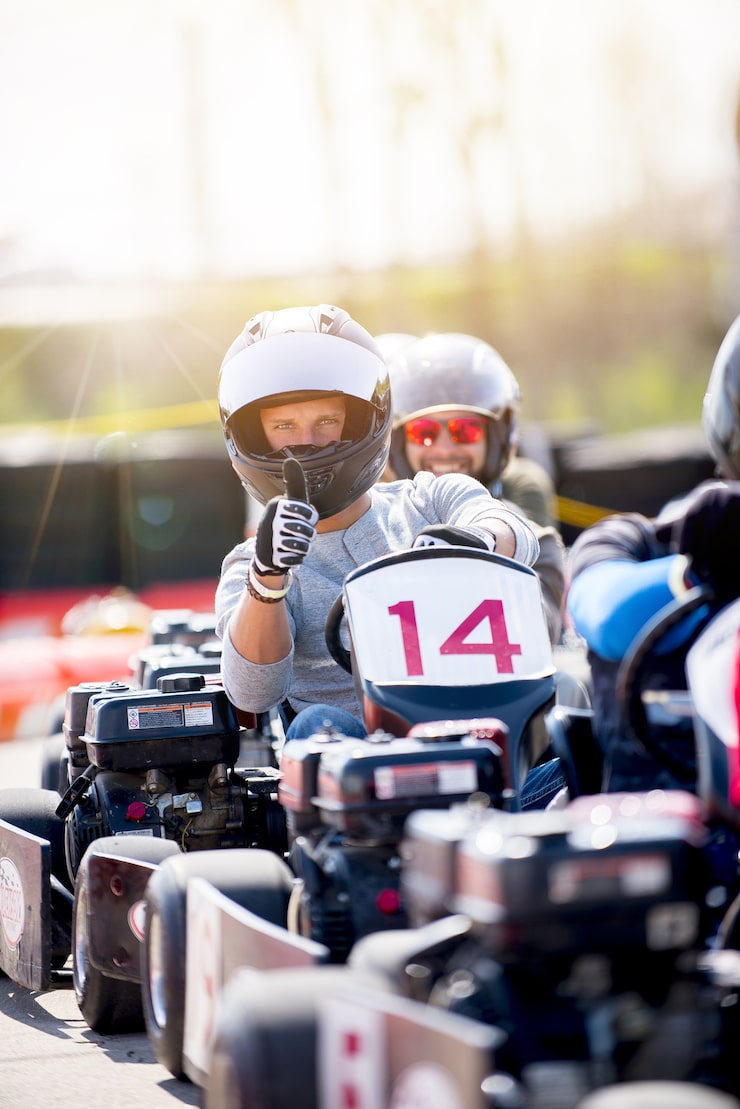
At first glance, racing games seem simple. Press the accelerator, steer, and finish first. But anyone who has spent real time with the genre knows that the best racing games are doing much more than that.
They blend raw speed with precise skill and subtle strategy—and when those elements come together, the result is pure fun.
Speed Is the Hook, Not the Whole Story
Speed is what draws players in. The rush of acceleration, the blur of the track, and the sound of an engine pushed to its limit create instant excitement.
But speed alone doesn’t keep players coming back.
In great racing games, speed is something you learn to control rather than abuse. Going flat out all the time rarely works. Knowing when to push and when to hold back becomes part of the experience, and that balance is where the fun really begins.Skill Turns Chaos into Control
Skill is what separates random racing from rewarding racing.
Anyone can drive fast in a straight line. It takes real skill to:
-
Brake at the right moment
-
Carry speed through corners
-
Recover from mistakes without panicking
As players improve, races feel less chaotic and more intentional. Each lap becomes smoother. Each decision feels sharper. That sense of personal growth is one of the strongest reasons racing games stay engaging for so long.
Strategy Adds Depth Without Slowing Things Down
Strategy in racing games isn’t always obvious, but it’s always there.
Choosing the right racing line, managing tire wear, deciding when to defend or overtake—these decisions happen at high speed, often in seconds. Unlike turn-based strategy games, there’s no pause to think. You adapt on the fly.
That real-time decision-making adds depth without breaking momentum, keeping races intense and mentally engaging.
Mistakes Matter, and That Makes Wins Feel Better
One of the reasons racing games feel so satisfying is that mistakes have real consequences.
Miss a braking point and you lose time. Take a corner poorly and your opponent slips past. There’s no hiding those errors, and that honesty makes improvement feel genuine.
When you finally nail a lap or pull off a clean overtake, the reward feels earned. That balance between punishment and payoff is a big part of the genre’s appeal.
Short Races, Big Satisfaction
Racing games don’t demand hours to be enjoyable.
A single race can deliver tension, challenge, and excitement in just a few minutes. That makes racing games easy to return to, whether you’re playing casually or pushing yourself to improve.
It’s the kind of fun that fits any schedule, without feeling shallow.
Why This Formula Still Works
Many genres rely on complex systems, long progression trees, or heavy storytelling. Racing games succeed by doing the opposite.
They focus on:
-
Clear goals
-
Immediate feedback
-
Player-driven improvement
By turning speed, skill, and strategy into a seamless experience, racing games deliver fun that feels timeless rather than trendy.

Final Thoughts
The best racing games aren’t just about being fast. They’re about learning control, making smart decisions under pressure, and finding satisfaction in improvement.
When speed, skill, and strategy work together, racing games become more than just competition—they become pure fun, lap after lap.
