


To The Thrill Of Cards And Probability
Card games have always held a special charm, blending skill, intuition, and chance into a single experience. Among them, 3 patti game stands out as one of the most exciting and culturally rich games played across South Asia. While many players rely on instinct, understanding the mathematics behind the cards can significantly improve your performance.
Probability is not just a theory reserved for classrooms. In card games, it becomes a practical tool that helps you predict outcomes, evaluate risks, and make smarter decisions. This blog dives deep into how probability influences gameplay and how you can use it to your advantage.
Understanding Basics Of Playing Card Probability
When you shuffle a deck, every possible combination has a certain likelihood of appearing. This is where playing card probability becomes essential. It helps players calculate the chances of getting specific hands like pairs, sequences, or high cards.
For example:
If you are dealt three cards, what are the chances that all three are of the same suit? The probability is relatively low, which is why such hands are considered strong.
Key Concepts To Remember
- Total cards in a standard deck: 52
- Total possible 3-card combinations: 22,100
- Rare hands like trail or pure sequence have very low probability
Understanding these numbers allows you to judge whether your hand is worth betting on or folding early.
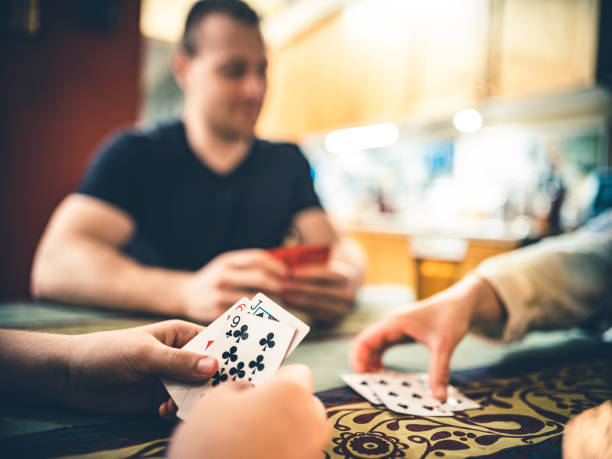
How Probability Shapes Strategy In 3 Patti Game
The 3 patti game is not just about luck. It is about making calculated moves based on the likelihood of outcomes. Skilled players constantly evaluate their cards against possible combinations others might hold.
Example Scenario
Imagine you are holding a pair. The probability of another player having a stronger hand like a trail is quite low. This gives you confidence to stay in the round longer and possibly increase your bet.
Strategic Thinking Tips
- Observe betting patterns of other players
- Combine probability with psychological insight
- Avoid overconfidence even with strong hands
Pro Tip
Always remember that probability guides decisions but does not guarantee outcomes. Even low probability events can occur, so balance logic with caution.
Practical Examples Of Playing Card Probability
Let’s look at some real-world examples to make things clearer.
Example 1: Getting A Pair
The probability of getting a pair in three cards is higher than getting a sequence. This means pairs are common and should not always be overvalued.
Example 2: Pure Sequence
A pure sequence is rare. If you get one, statistically you have a strong advantage. This is the moment to play aggressively.
Example 3: High Card Strategy
If your cards are not connected or paired, your chances of winning drop. In such cases, folding early can save your bankroll.
Applying Playing Card Probability In Real Gameplay
Understanding playing card probability is one thing, but applying it in real games is where true skill lies. You need to make quick calculations while also reading the table dynamics.
One Key Approach
- Focus on probability ranges rather than exact numbers
For instance, instead of calculating exact odds every time, categorize your hand as strong, moderate, or weak based on known probabilities. This speeds up decision-making during fast-paced rounds.
Enhancing Your Skills With Practice And Observation
No amount of theory can replace real experience. The more you play, the better you understand patterns, player behavior, and probability in action.
Pro Tip
Keep a mental note of how often certain hands appear. Over time, this builds an intuitive sense of probability that helps you react faster than your opponents.
Example Practice Method
Play low-stake games and focus only on observing outcomes. Notice how often strong hands actually win and how bluffing interacts with probability.
Conclusion
The beauty of the 3 patti game lies in its perfect balance between luck and logic. While chance determines the cards you receive, probability determines how you play them. By understanding playing card probability, you gain a powerful edge that transforms casual gameplay into strategic mastery.
Remember, success in card games is not about winning every round. It is about making better decisions consistently. With practice, patience, and a solid grasp of probability, you can elevate your game and enjoy every round with confidence.
