

In our modern environment, personal safety has never been more important. Whether you’re walking home after dark, jogging through a park, or commuting alone, having a reliable self-defense tool can make a significant difference. Among the many options available to the public, chemical deterrents derived from chili extracts are highly popular for their ease of use, effectiveness, and non-lethal nature. This comprehensive guide covers everything you need to know about this safety device, including how it works, the situations where it’s most useful, safe handling practices, and legal considerations.
What Are Chemical Self-Defense Pepper Sprays and How Do They Work?
This type of defensive Pepper spray contains an active ingredient called capsaicin, which comes from chili peppers. When deployed against an aggressor, it causes intense irritation to the eyes, skin, and respiratory system. Symptoms typically include temporary blindness, coughing, burning sensations, and difficulty breathing. These effects are usually brief but provide a critical window of opportunity to escape or call for help.
A major advantage of this form of defense is that it is non-lethal. Unlike firearms, it incapacitates an attacker without causing permanent injury, allowing individuals to distance themselves from a potential threat safely. However, it’s crucial to remember that this tool is intended strictly for defensive situations and should never be used aggressively or irresponsibly.
Reasons to Carry a Self-Defense Spray
There are numerous compelling reasons to carry this type of personal protection. Here are a few:
- Convenience: Most devices are small and lightweight, easily attached to a keychain, stored in a pocket, or placed in a purse. Their compact size makes them readily accessible without interfering with daily activities.
- Rapid Response: When used correctly, the effects are almost immediate, giving you the necessary time to flee or call for assistance.
- Non-Lethal Safety: This tool incapacitates temporarily without causing lasting harm, making it a safe option for most self-defense scenarios.
- Confidence Boost: Simply carrying a defensive device can increase your sense of security and help reduce anxiety when navigating potentially unsafe areas.
Safe Usage Guidelines
Carrying a protective spray is only half the battle, the key is knowing how to use it responsibly. Here are essential tips for safe handling and effective use:
- Practice First
Most modern devices allow for a few practice sprays that are safe to use. Familiarizing yourself with the spray’s range and mechanics ensures that in a real emergency, your reaction is quick and effective.
- Aim Strategically
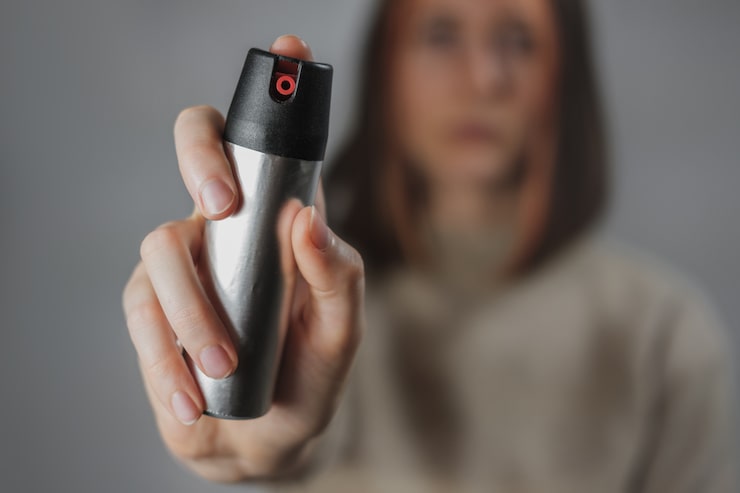
When deploying the spray, target the attacker’s face, especially the eyes. A short, controlled burst is usually enough to disable the threat temporarily, giving you time to create distance.
- Mind the Wind
Using the spray in windy conditions can result in it blowing back toward you. Always consider the wind direction and adjust your position to avoid accidental self-exposure.
- Maintain Accessibility
A defensive tool is useless if it’s buried at the bottom of a bag. Keep it in a readily accessible location on a keychain, in an outer pocket, or even in your hand when walking through potentially unsafe areas.
- Escape Immediately
This device is intended to provide a window of opportunity, not to engage the attacker further. Once deployed, leave the area immediately and seek help.
- Check Expiration Dates
Chemical sprays typically have a shelf life of two to four years. Expired products may lose effectiveness, so check regularly and replace canisters as needed.
Real-World Scenarios Where Self-Defense Sprays Are Useful
These devices can prove invaluable in a variety of everyday situations:
- Walking Alone at Night: Whether in urban areas, parking lots, or dimly lit streets, carrying a defensive spray can provide reassurance and protection during solo commutes.
- Jogging or Hiking: Individuals running or hiking in secluded areas often carry a deterrent to ward off both human aggressors and potentially aggressive animals such as stray dogs.
- Traveling in Unfamiliar Places: When exploring new cities or regions, a portable defensive tool can offer an extra layer of protection in unfamiliar environments.
- Campus Safety: College students walking to dormitories, libraries, or parking areas after dark may feel safer with a personal defense device on hand.
While this tool is effective, it should be considered a last-resort measure. Awareness of your surroundings, avoidance of risky areas, and trusting your instincts are equally important for personal safety.
Legal Considerations
Before purchasing or carrying a defensive spray, it is critical to understand the regulations in your area. Laws vary widely depending on the country, state, or municipality:
- Some regions allow possession with minimal restrictions.
- Others regulate the size, strength, or type of spray that can be carried.
- Age restrictions may apply, requiring users to be over a certain threshold.
- Certain public spaces may prohibit carrying defensive sprays.
Using a chemical deterrent aggressively, or in situations not justified by self-defense, can result in legal consequences. It is imperative to treat this tool strictly as a means of protection, not as an instrument of intimidation, pranks, or disputes.
Complementary Safety Tools
While this spray is an effective defense option, combining it with other strategies can significantly enhance personal safety:
- Personal Alarms: Small devices that emit loud sirens can attract attention and deter potential attackers.
- Tactical Flashlights: These tools can disorient threats in dark environments while improving visibility.
- Self-Defense Classes: Training in awareness, de-escalation, and basic defensive maneuvers equips you with practical skills beyond carrying equipment.
Using a defensive spray in conjunction with these tools ensures a more robust safety plan rather than relying solely on a single device.
Building a Safety Mindset
Personal safety goes beyond just carrying equipment. It involves a proactive approach that includes situational awareness, planning, and trusting your intuition. Consider these additional tips:
- Avoid isolated or poorly lit areas whenever possible.
- Let someone know your expected route and estimated arrival time when traveling alone.
- Develop a mental plan for responding to potential threats, including escape routes and safe locations.
- Stay alert and avoid distractions such as headphones or phones when in unfamiliar areas.
By combining vigilance with practical tools, you enhance your ability to respond effectively to threats.
Conclusion
In an unpredictable world, preparation is the key to personal security. Non-lethal chemical deterrents offer an affordable, effective, and compact method of protection that can provide peace of mind. By understanding how to carry and use these sprays responsibly, practicing their deployment, and familiarizing yourself with local laws, you add a reliable layer of safety to your personal security toolkit.
However, true protection goes beyond gadgets. Awareness, intuition, and smart decision-making are equally vital. By integrating chemical deterrents with situational awareness, alarm systems, and self-defense skills, you create a comprehensive approach to staying safe. In essence, these tools empower you to respond confidently, maintain distance from potential threats, and take control of your personal safety in any situation.
