

The gaming world is constantly evolving, driven by the relentless march of technology. From immersive virtual reality experiences to cloud gaming innovations, the latest advancements are changing the way we play, connect, and compete. Whether you’re a casual gamer or a dedicated enthusiast, here are the cutting-edge technologies that are shaping the future of gaming.
Realistic Graphics and Ray Tracing
One of the most significant developments in gaming technology is the rise of real-time ray tracing. This technique simulates how light behaves in the real world, creating breathtakingly realistic reflections, shadows, and lighting effects. With the latest GPUs from companies like NVIDIA and AMD, games are now achieving cinematic quality visuals that were once reserved for big-budget movie productions. The result is an unparalleled level of immersion that makes every in-game environment feel alive.
Virtual Reality (VR) and Augmented Reality (AR)
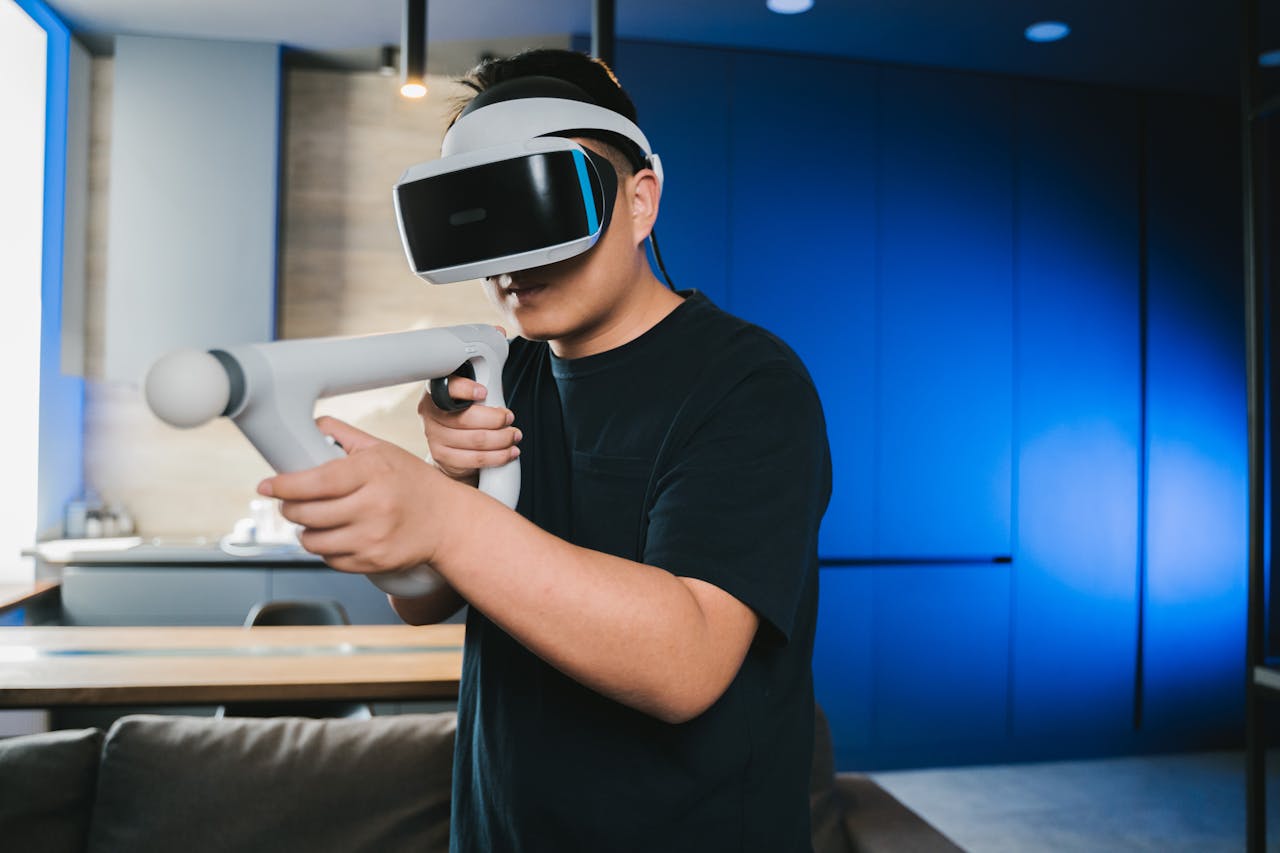
VR and AR continue to push boundaries, offering players new ways to experience their favorite titles. The latest VR headsets provide higher resolutions, improved tracking, and more comfortable designs, making virtual reality gaming more accessible than ever. Meanwhile, augmented reality is blending digital elements with the real world, allowing gamers to engage in interactive experiences in their own living spaces. Together, these technologies are creating new genres of games and redefining how we interact with digital environments.
Advanced AI and Procedural Generation
Artificial intelligence has made its way into gaming, not just as smarter NPCs but also as tools that help developers create vast, detailed worlds. Procedural generation techniques powered by AI can produce sprawling landscapes, intricate dungeons, and unpredictable challenges without requiring years of manual design. This leads to games that feel fresh and unpredictable, offering endless replayability and unique player experiences.
Haptic Feedback and Adaptive Controllers
Immersion isn’t just visual—it’s also tactile. Advanced haptic feedback technologies, like those found in the latest gaming controllers, provide nuanced vibrations and sensations that make you feel every punch, crash, or explosion. Adaptive triggers can simulate resistance, adding a physical dimension to gameplay. These features enhance immersion and bring a new level of realism to action-packed titles.
Cloud Gaming and Streaming Services
The shift toward cloud gaming has transformed how we access and play games. With services like NVIDIA GeForce Now, Google Stadia, and Xbox Cloud Gaming, players can stream high-quality games directly to their devices without needing powerful hardware at home. This technology breaks down barriers, making top-tier gaming experiences available on a variety of devices, from smartphones to smart TVs. As internet speeds and infrastructure continue to improve, cloud gaming is poised to become a dominant force in the industry.
AI-Driven Personalization and Game Mastery
Another frontier in gaming technology is AI-driven personalization. By analyzing a player’s habits, skills, and preferences, games can adapt difficulty levels, suggest new strategies, or offer tailored content. This means that the experience becomes more customized over time, helping players improve their skills and keeping them engaged.
Final Level-Up
The gaming industry is on the cutting edge of technological innovation, constantly pushing the boundaries of what’s possible. From stunning visuals and immersive VR experiences to the convenience of cloud gaming and the potential of AI-driven worlds, these advancements are creating a future where games are more lifelike, accessible, and interactive than ever before. For gamers, that means the best is always yet to come.